A hand dryer that sounds like a jet engine, a shirt seam that feels like sandpaper, a cafeteria so loud that thinking becomes impossible: for many autistic children, everyday sensations are much stronger, or much weaker, than for others. These sensory differences explain a lot of behavior that adults misread as defiance. The good news is that they can be understood and eased. This guide explains what sensory differences in autism look like and which supports have the best evidence.
Key points
- DSM-5 includes sensory differences as autism features like hyper- or hyporeactivity and unusual sensory interests.
- The CDC estimated about 1 in 31 eight-year-olds were identified with autism in 2022.
- The same child can be over-responsive in one sense and under-responsive in another.
- Meltdowns are involuntary responses to sensory overload and differ from goal-directed tantrums.
- Stimming often helps regulation and harmless stimming does not need to be stopped.
Sensory differences are part of autism
Since 2013, the DSM-5, the diagnostic manual used by US clinicians, lists sensory differences as one of the possible features of autism spectrum disorder: hyper- or hyporeactivity to sensory input, or unusual interest in sensory aspects of the environment. Examples named in the criteria include apparent indifference to pain or temperature, strong negative responses to specific sounds or textures, excessive smelling or touching of objects, and visual fascination with lights or movement.
Autism is common. The CDC’s Autism and Developmental Disabilities Monitoring (ADDM) Network estimated that about 1 in 31 eight-year-olds in its surveillance areas had been identified with autism in 2022. Most autistic people describe sensory differences, and many say these affect daily life more than any other aspect of autism.
Over-responsive, under-responsive, or both
The same child may be over-responsive in one sense and under-responsive in another. A boy may scream at the sound of a blender but not notice a cut on his knee. A girl may refuse all food with lumps but spin on the playground for half an hour without getting dizzy. Understanding the child’s individual profile is the first step toward helping.
What sensory overload looks like
When input becomes too loud, bright, crowded or unpredictable, the nervous system can be overwhelmed. A child may cover their ears, freeze, run off, cry, or have a meltdown.
Meltdown or tantrum?
The difference matters for how adults respond.
- A tantrum is usually goal-directed: the child wants a toy or attention and often stops when the goal is reached or clearly will not be reached.
- A meltdown is an involuntary loss of control in response to overload. It is not aimed at anything, rewards and consequences do not stop it, and it ends when the child’s nervous system settles.
During a meltdown, the most helpful response is to reduce input: fewer words, dimmer light, a quieter spot, and keeping the child safe until the storm passes.
Stimming is often self-regulation
Rocking, hand-flapping, humming or watching spinning objects, often called “stimming,” helps many autistic children manage sensory input, emotions and concentration. Harmless stimming does not need to be stopped. Only behavior that causes injury, such as head-banging or skin picking, calls for a plan with a professional to find safer alternatives.
Everyday situations and practical adjustments
| Situation | Possible sensory reason | Adjustments to try |
|---|---|---|
| Noisy classroom or assembly | Loud, unpredictable sound, crowds | Noise-reducing headphones, a seat away from the door, quiet breaks, a visual schedule |
| Very limited diet | Texture, smell, temperature or mixed foods | Serve foods separately, include one accepted food at every meal, introduce new foods slowly; ask about a feeding therapist |
| Haircuts and dentist visits | Close touch, vibration, buzzing sounds | Picture stories, practice visits, scissors instead of clippers, breaks, a favorite item to hold |
| Clothing battles | Tags, seams, tight waistbands, scratchy fabric | Tagless, soft clothes; buy several of an accepted item; introduce new clothes gradually |
| Trouble sleeping | Light, noise, bedding texture | Blackout shades, steady background sound, preferred bedding, a fixed bedtime routine |
| Tooth brushing | Sensitive mouth, toothpaste taste or foam | Soft brush, mild or unflavored toothpaste, short sessions that grow slowly, a visual timer |
Occupational therapy
Occupational therapists (OTs) assess sensory processing and help children take part in daily life. Among sensory approaches, Ayres Sensory Integration has the strongest evidence for autistic children. Randomized controlled trials led by Roseann Schaaf and colleagues found improvements in individual goals, such as self-care and play, when therapy was delivered by trained therapists following the approach closely. The American Academy of Pediatrics recommends that sensory-based therapy be tried with clear, measurable goals and reviewed to see whether they are met.
Other supports that help
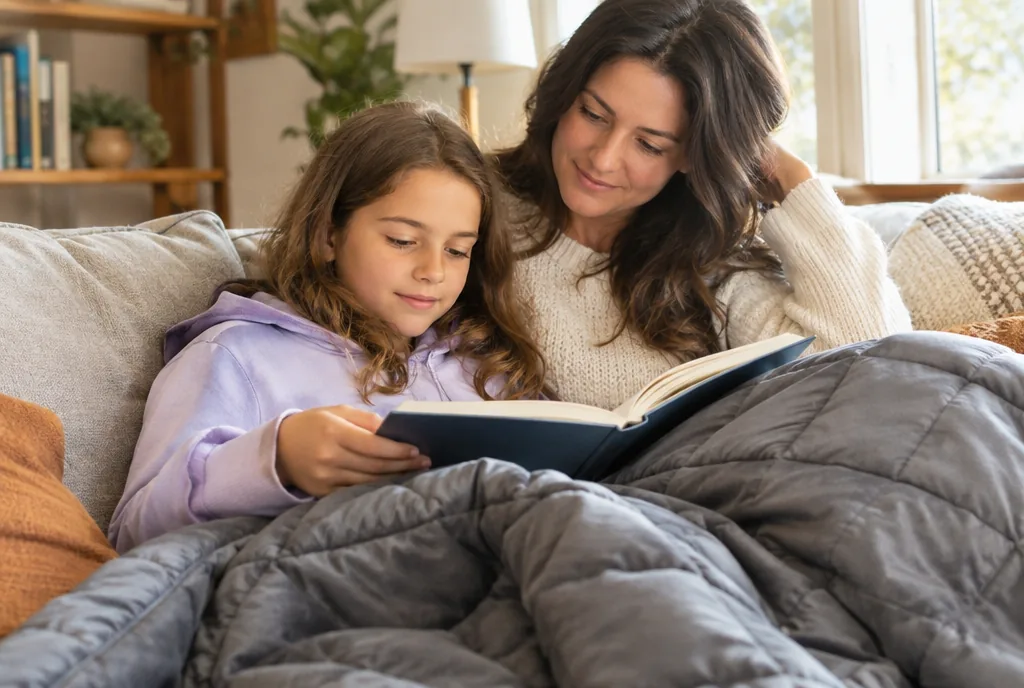
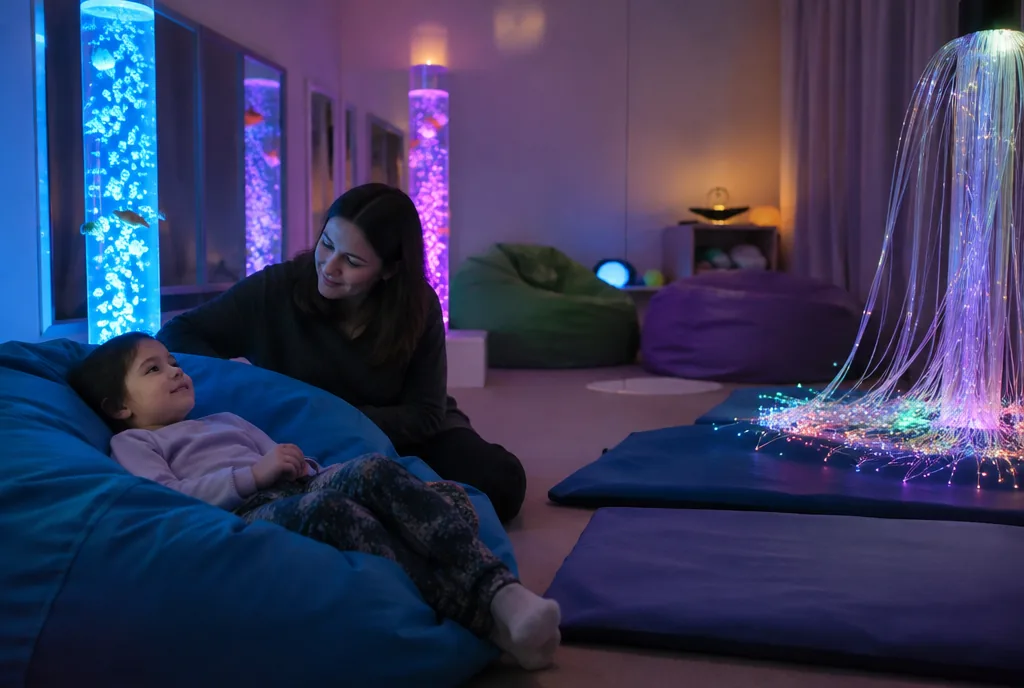
- A sensory-friendly home: less clutter, softer lighting, fewer strong smells, a calm retreat space.
- Predictable routines and advance warning of changes.
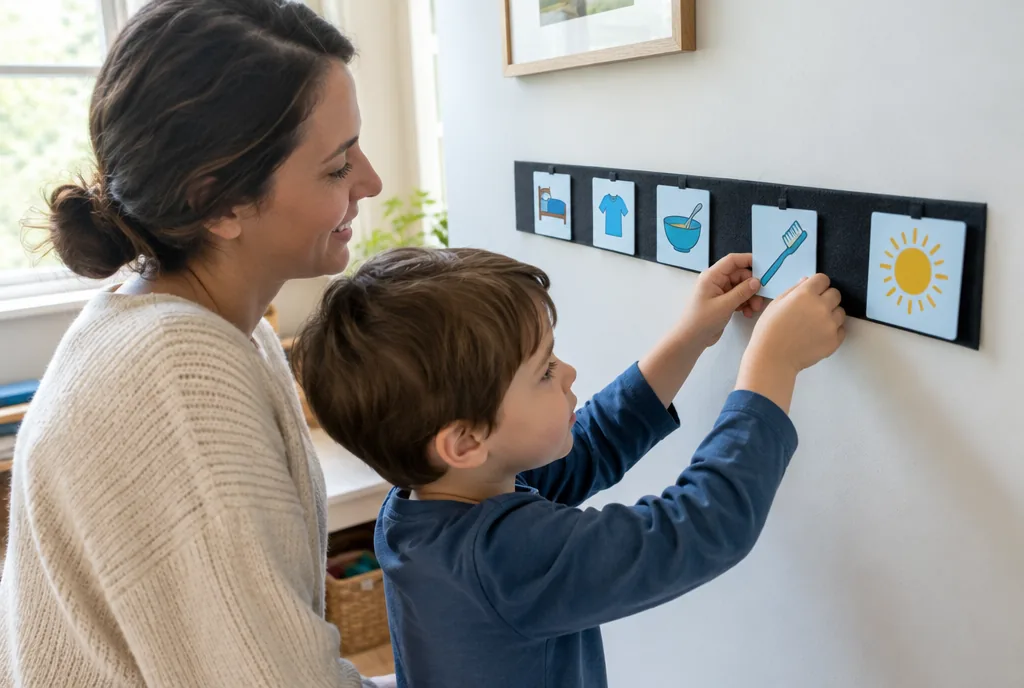
- Visual supports: picture schedules, first-then boards and timers.
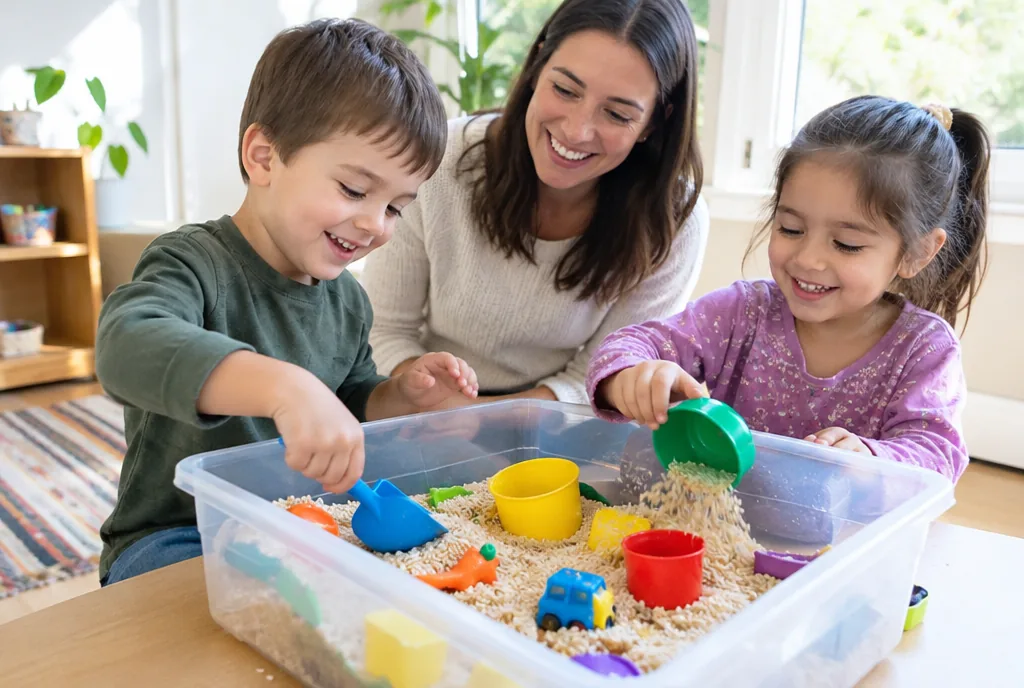
- Sensory breaks across the day: movement, jumping, heavy work or quiet time.
- Noise-reducing headphones for specific loud situations.
Preparing for hard situations
- Use a short picture story that shows each step of the visit.
- Arrange a practice visit to the dentist, barber or doctor just to look around.
- Ask for the first appointment of the day, when waiting rooms are quiet.
- Look for sensory-friendly hours or screenings: many stores, movie theaters and museums offer times with dimmer lights, lower sound and smaller crowds.
- Bring comfort items and agree on a signal for “I need a break.”
Support at school
Autistic children who need special education services are entitled to an Individualized Education Program (IEP) under the Individuals with Disabilities Education Act (IDEA). The IEP can include occupational therapy and sensory accommodations: flexible seating, movement breaks, a quiet place to eat, headphones, visual schedules and predictable transitions. Children who do not need special education can often get accommodations through a Section 504 plan.
Be careful with unproven treatments
Families are often offered expensive “cures.” Some are ineffective, and some are dangerous. The FDA has warned against chelation and other products marketed as autism treatments. Restrictive diets without a medical reason can harm growth. Before starting any supplement, diet or device, talk with the child’s pediatrician.
Early screening and intervention
The American Academy of Pediatrics recommends autism-specific screening at the 18- and 24-month well-child visits. The CDC’s “Learn the Signs. Act Early.” program offers free milestone checklists and a milestone tracker app. Children under 3 can be referred to their state’s early intervention program, often with no diagnosis required, and receive therapy at home or in child care.
Frequently Asked Questions
Do all autistic children have sensory problems?
Not all, but most autistic people report sensory differences, and they vary widely from person to person.
Can sensory sensitivities get better?
Many children cope much better over time with supportive routines, therapy and self-management skills. Some sensitivities remain, but they can usually be managed.
Should stimming be stopped?
Harmless stimming usually should not be stopped, because it often helps the child regulate. Self-injurious behavior needs professional help.
Who should we talk to first?
The pediatrician, who can screen, refer for an autism evaluation and occupational therapy, and connect the family with early intervention or school services.