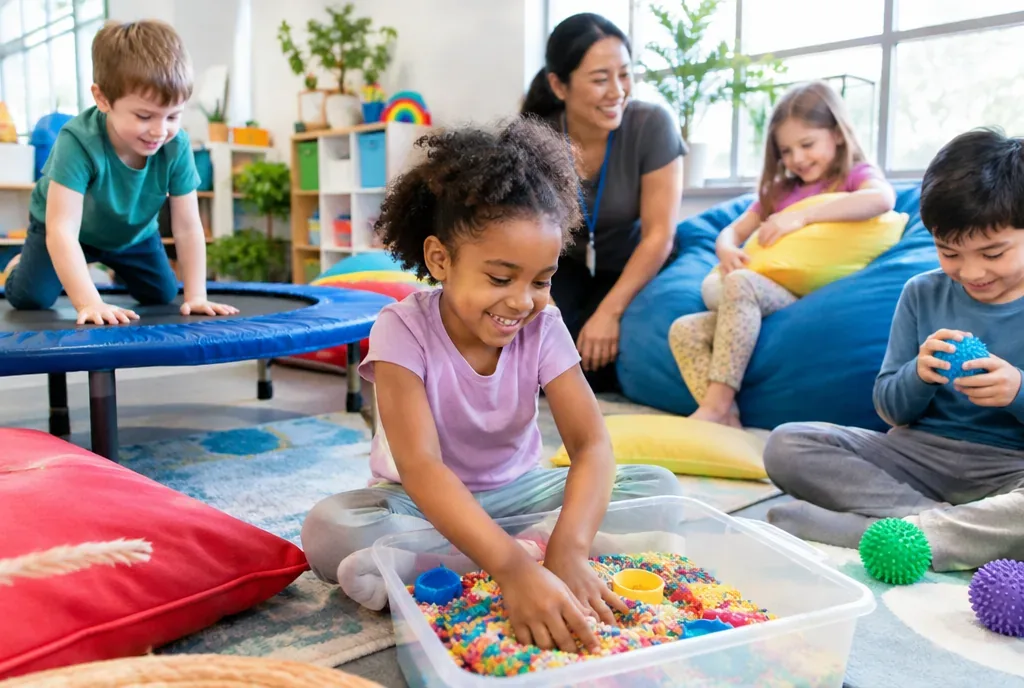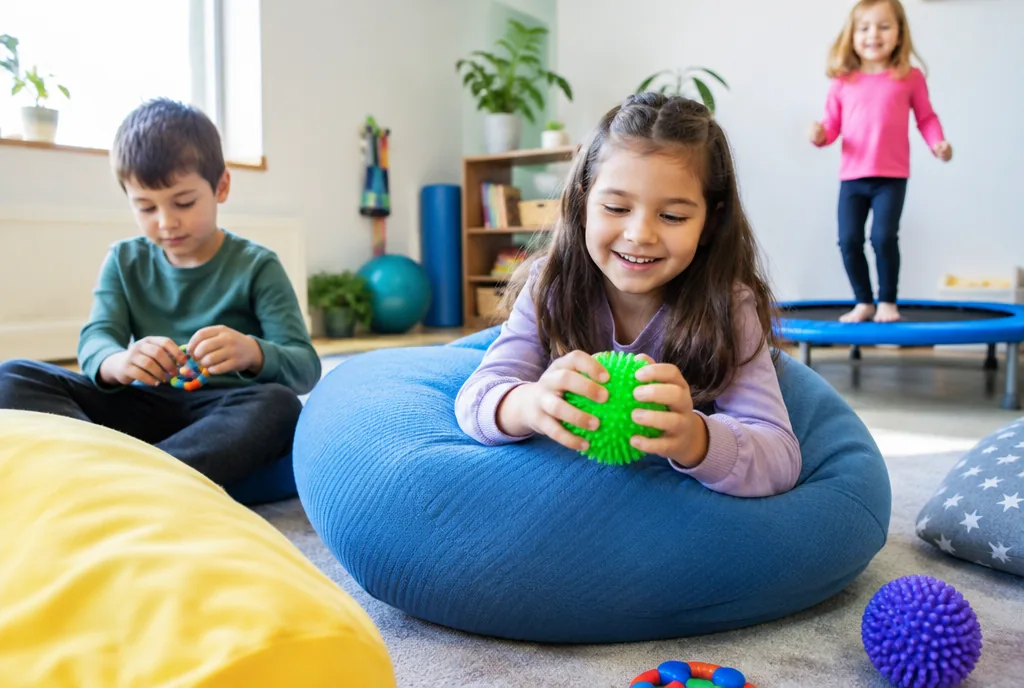
Sensory activities for toddlers turn ordinary materials into useful chances to touch, move, listen, pour, and notice what changes. A bowl of water, a scoop, and a sponge can hold a child’s attention because there is something real to test: What floats? What squeezes out? What happens when the cup tips? The goal is not a perfect craft. Sensory play for toddlers is the hands-on process of exploring, with no single right way to do it.
What sensory play gives your toddler
Sensory play engages more than touch. Your child’s senses include sight, hearing, taste, smell, movement and balance, body awareness, and internal body cues. That range is why one activity can feel so absorbing: water play, for example, offers a visual change, a cool texture, sounds, movement, and the resistance of squeezing a sponge.
These sensory experiences help build connections in the brain’s learning pathways. During the first three years, a child’s brain forms an estimated 700 to 1,000 new neural connections each second. Open-ended sensory activities also give you natural language to share: rough, smooth, cold, crunchy, loud, or quiet. As your child experiments, they can practice problem-solving and flexible thinking rather than copying a finished result.
Many play activities also use the small hand movements needed later for writing, buttoning, zipping, and feeding. Scooping sand, pinching dough, and pouring rice ask hands and eyes to work together. Movement activities add another kind of learning: an obstacle course can invite a child to crawl, balance, jump, and judge where their body is in space.
Start with easy sensory activities for toddlers at home
You do not need a special room or a long setup. Pick one material, add one tool, and give your toddler time to investigate. These sensory play ideas use familiar items and make it easy to follow your child’s interest.
- Kinetic sand treasure hunt: Hide larger safe toys in kinetic sand. Your child can dig, scoop, pinch, mold, or trace simple shapes.
- Water transfer station: Put water in a tub with cups, ladles, and sponges. Pouring, squeezing, and moving water between containers builds hand strength and shows cause and effect.
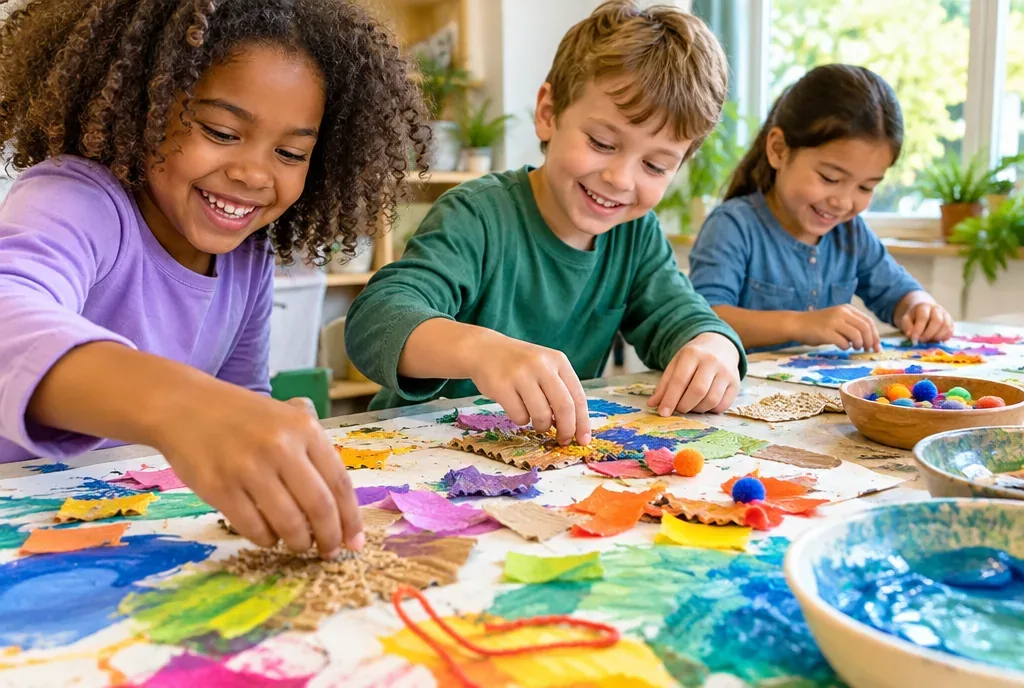
- Texture tray: Offer soft cloths, sponges, play dough, and crinkly paper. Name how each material feels while your child squeezes, pulls, pokes, or compares.
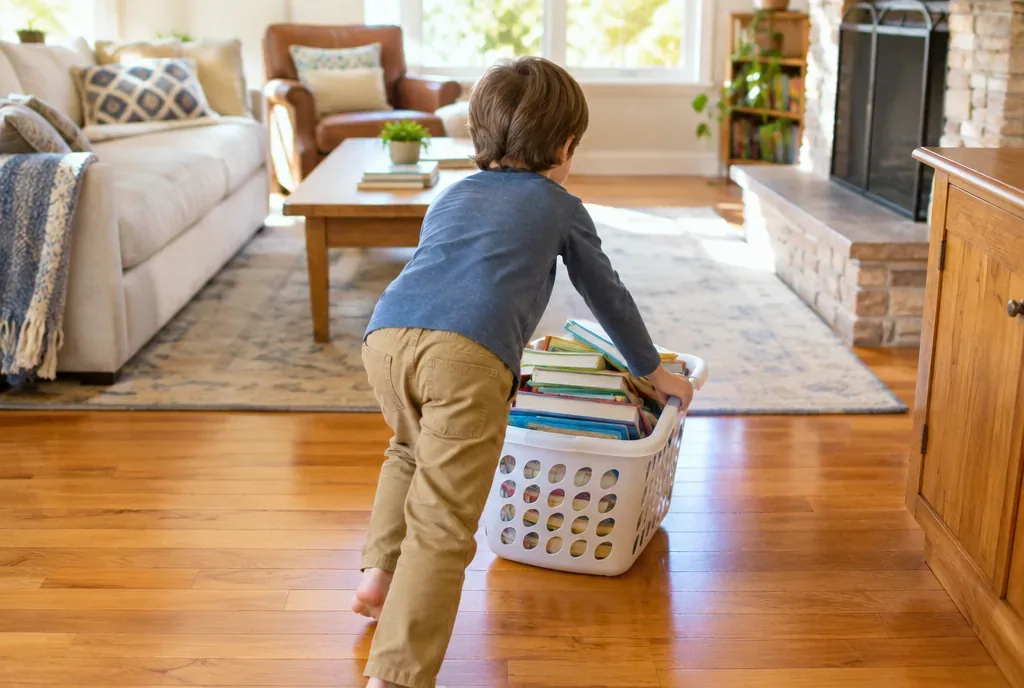
- Home obstacle course: Use pillows, cushions, tape lines, and laundry baskets to create places to crawl through, balance along, or jump over.
- Smell-and-guess jars: Put cinnamon, vanilla, or oregano in separate small containers and invite your child to sniff and guess.
For sensory activities for 2 year olds, keep the invitation simple. One bin and two or three materials can spark more curiosity than a crowded setup. Toddlers and preschoolers do not need to finish every activity; stopping, repeating one action, or changing the rules is part of the play.
Build a sensory bin your child can explore
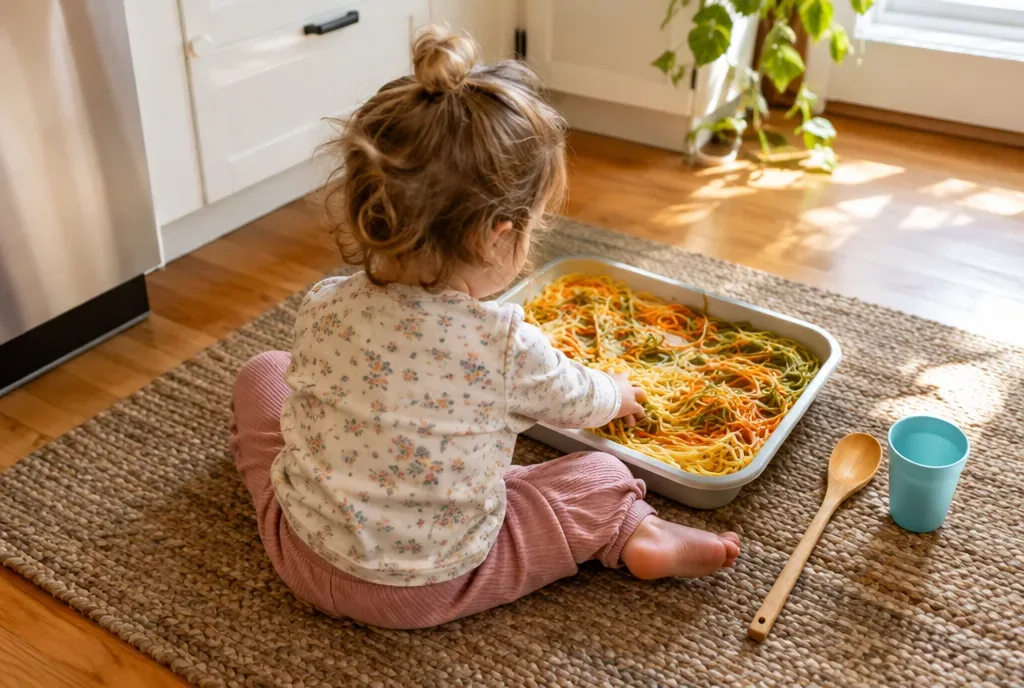
A sensory bin has three basic parts: a large washable container, a filler, and tools for changing the material. Scoops, cups, funnels, tongs, spoons, and small containers give your child a reason to pour, dig, sort, and transfer. Many of these tools are already in the kitchen.
- Choose a shallow, washable bin and set it inside a larger shallow bin or on a plastic tablecloth to catch spills.
- Add one filler, such as kinetic sand, cotton balls, shredded paper, or a dry material that is appropriate for your child and can be closely supervised.
- Add two or three tools, such as cups and spoons, rather than filling the bin with many objects.
- Show how materials stay in the bin, then let your toddler decide whether to scoop, bury, pour, or simply feel.
A simple sensory bin for toddlers can use dry rice or beans with cups, spoons, and larger hidden objects to find. Because small items and dry foods can create choking hazards, stay close throughout the activity. A spoon or scoop is also a good first step for a child who does not want direct contact with a texture.
Match sensory activities to the sense or skill you want to invite
| Focus | Try this | What your child can explore |
|---|---|---|
| Tactile | Play dough, sand, water, or fabric swatches | Soft, squishy, wet, dry, smooth, and rough textures |
| Visual | A sensory bottle, color sorting, or shadow play | Color, movement, and what changes when objects shift |
| Auditory | Sound tubes or homemade shakers | How rice, beans, or beads make different sounds |
| Movement and balance | Animal walks, rolling, jumping, or a cushion course | Balance, force, and where the body is moving |
| Body awareness | Carrying groceries, wall pushes, sweeping, or digging | How much force muscles need for a task |
Think of this table as a menu, not a schedule. A child may prefer water play one day and a sound activity the next. To make a sensory experience more comfortable, offer a tool first and allow your child to choose how much to touch. The best sensory activity is the one your child can explore without pressure.
Keep sensory play safe and the cleanup small
Close supervision is essential for water play and for small items such as beads, buttons, or dry foods. Children age 3 and younger are at the highest risk of choking because they often put objects in their mouths. As a quick check, anything that fits through an empty toilet-paper tube, about 1.25 inches or 3 cm wide, is a choking hazard for a child under 3. Keep uninflated and broken balloons away from toddlers.
For low-mess sensory play, tape a sturdy zip-top sensory bag to a table or window. Hair gel with glitter and small objects can make a squishable surface; seal the bag with duct tape. Another option is outdoor water painting: give your child a paintbrush and a bucket of water to paint pavement or a fence, with no paint to clean up. For splashing, move water play to the bathtub or outdoors.
A smock or apron, a larger catch bin, and a hand-washing routine make messy activities more manageable. If your child avoids mess, start with a sensory board or tools instead of asking for bare-hand contact. Go slowly and let your child set the pace.
Common sensory-play myths can make simple play harder
Myth: Every activity needs a learning goal
Not every sensory activity needs a product, worksheet, or right answer. The discovery is the point: your child notices texture, force, sound, and change while experimenting.
Myth: More materials make a better sensory bin
A bin packed with fillers and toys can overwhelm a child. Two or three materials are enough to create many play ideas and make cleanup easier.
Myth: A child must touch every texture
Some children are uncomfortable with certain textures. A spoon, scoop, or tongs lets them participate without direct touch. Never force contact; offer the material and let the child decide.
Frequently Asked Questions
What is sensory play for toddlers?
Sensory play is an activity that engages one or more senses, including touch, sight, sound, taste, smell, movement, body awareness, and internal body cues. It centers on exploring and experimenting rather than producing a finished item.
What are low-mess sensory activities for toddlers?
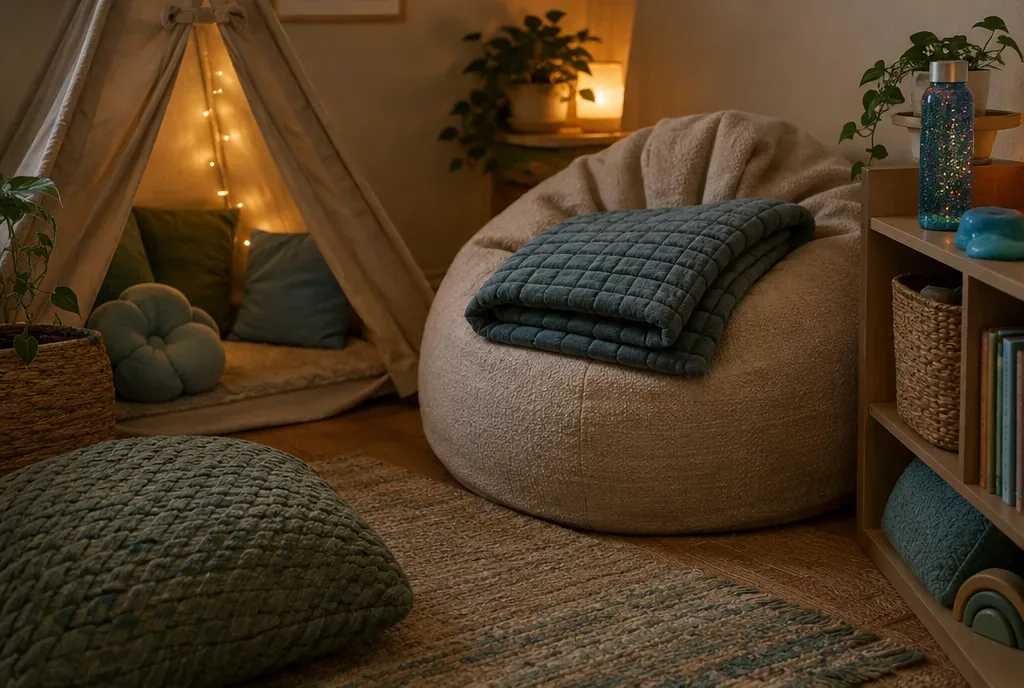
Taped sensory bags, water painting outdoors, sensory boards, and a calm-down bottle are lower-mess options. A sensory bag can also travel in the car, to a restaurant, or to a waiting room.
How can I make sensory play less messy?
Put the activity inside a larger shallow bin or on a plastic tablecloth, offer scoops and spoons, and model keeping materials in the bin. Use the bathtub or outdoors for water play.
What supplies are useful for toddler sensory play?
Start with scoops, measuring cups, funnels, tongs, spoons, and small containers. Sand, water, cotton balls, shredded paper, and play dough can provide different sensory experiences when used with appropriate supervision.
When should I talk to a doctor about sensory concerns?
Sensory play is not a diagnostic tool. Talk to a pediatrician if you are concerned about your child’s development or if reactions to everyday sensory experiences worry you. Seek emergency medical care immediately for choking or trouble breathing.