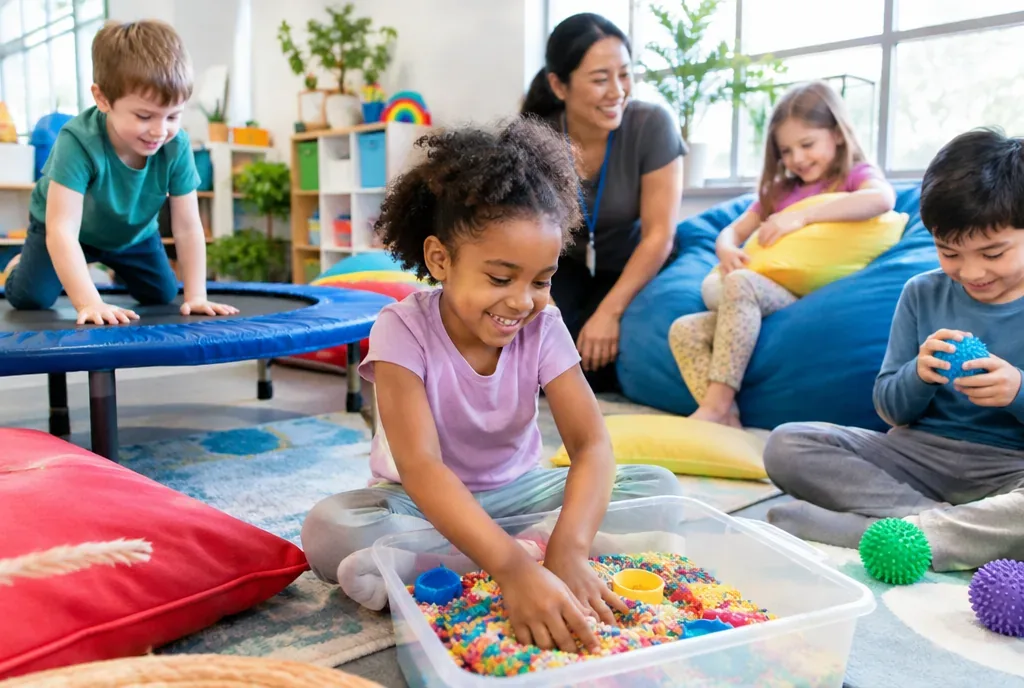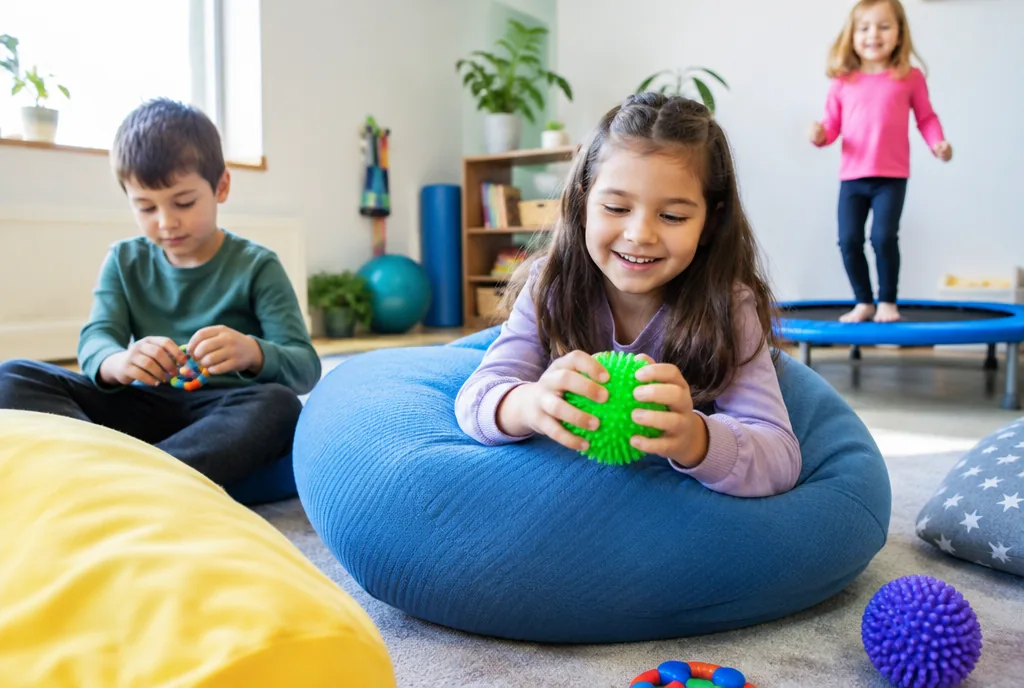
Sensory crafts turn art time into a hands-on way to explore texture, color, sound, scent, and movement. These sensory crafts for kids can be as simple as pressing cotton balls onto a sticky collage or watching glitter drift through a bottle. The best starting point is not a perfect project: it is one clear invitation to touch, squeeze, shake, roll, or notice something new.
Sensory Crafts Give Art More Than One Way to Explore
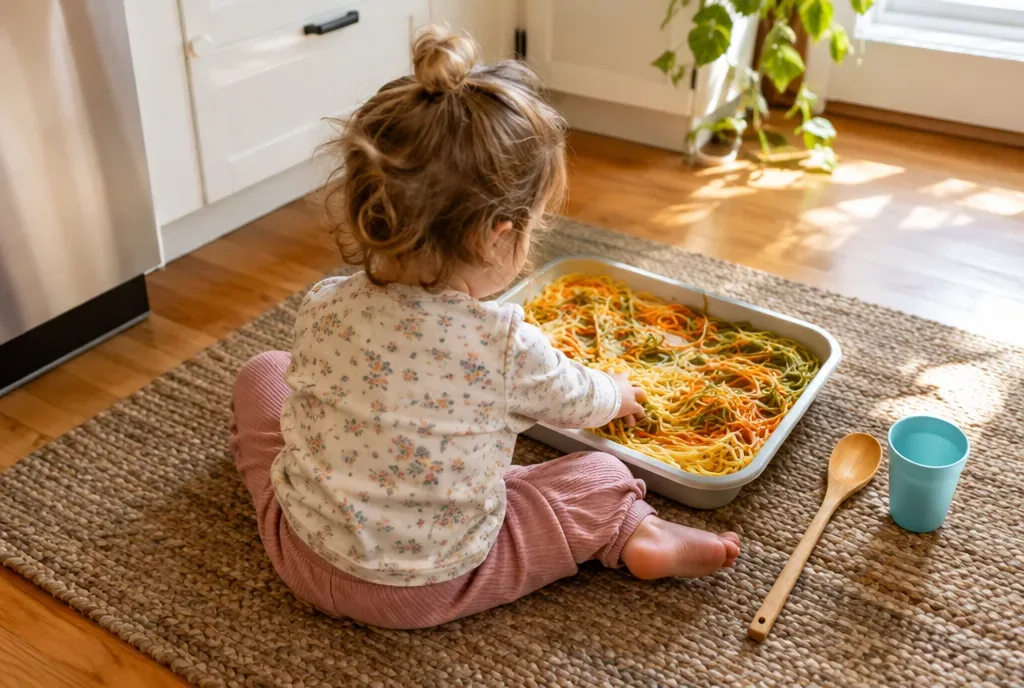
Through sensory play, children can stimulate touch, smell, sight, hearing, and fine-motor muscles. Hands-on sensory experiences can also stimulate neural pathways and are an important part of early brain development. In a craft, that can look like pinching a small pom-pom, dragging a feather through paint, or comparing a rough square of sandpaper with a soft piece of fabric.
Keep the invitation open-ended. A recognizable picture is not required for the activity to count. Scooping, pressing, arranging, and noticing are all useful parts of sensory art. For a simple setup, gather one soft material, one smooth or hard material, and one tool to move them.
Choose a Sensory Activity by the Experience You Want
| Try this | What children explore | Simple setup |
|---|---|---|
| Texture collage | Soft, rough, smooth, and springy surfaces | Fabric scraps, foam shapes, sandpaper pieces, and cotton balls on paper or a paper plate |
| Grainy finger paint | Touch and visual marks | Mix sand, rice, or coffee grounds into washable paint |
| Feather painting | Light, tickly tools and unusual strokes | Use feathers in place of standard paintbrushes |
| Sealed bag painting | Color mixing without direct contact | Put washable paint in a heavy-duty freezer bag and tape it closed |
For toddlers, this choice-based approach works well, too. When a child is hesitant about wet or sticky materials, begin with a dry option such as fabric, rice, or sand. Later, introduce cool water, then paint or glue. The goal is gradual exploration, not pushing through discomfort.
Start With These Three Textured Art Projects
Make a collage with contrast
On a sheet of paper or a paper plate, spread glue, then offer fabric scraps, foam shapes, sandpaper pieces, and cotton balls. Invite children to group materials by how they feel or place them wherever they choose. With no right outcome, this becomes a useful sensory art project for a child who wants more time to explore one material.
Marble paper with shaving cream
In a tray, spread shaving foam. Next, add drops of liquid watercolor or food coloring and swirl them with a stick. Press cardstock onto the surface, lift it, and scrape away the excess foam to reveal marbled patterns. That reveal gives children a visual change to watch while they experiment with swirling.
Paint with bubble-wrap footprints
For this active project, tape bubble wrap around a child’s foot like a shoe, put washable paint in a tray, and lay out a large sheet of paper. Across the paper, each step leaves a textured print and adds the popping sound of the wrap. For a less active version, wrap bubble wrap around a rolling pin and roll painted patterns across paper.
Build a Five-Senses Art Station Without Making It Complicated
A five-senses station does not need five separate crafts. Instead, offer a few choices and name what each one invites children to notice. For touch, add sand, rice, or coffee grounds to washable paint for a grainy feel. For sound and touch, an adult can fill balloons with rice, beans, or cotton balls and tie them securely; children squeeze and guess what is inside. Supervise closely and throw away any balloon that tears, because balloon pieces are a choking risk. For smell, add peppermint extract to standard playdough.
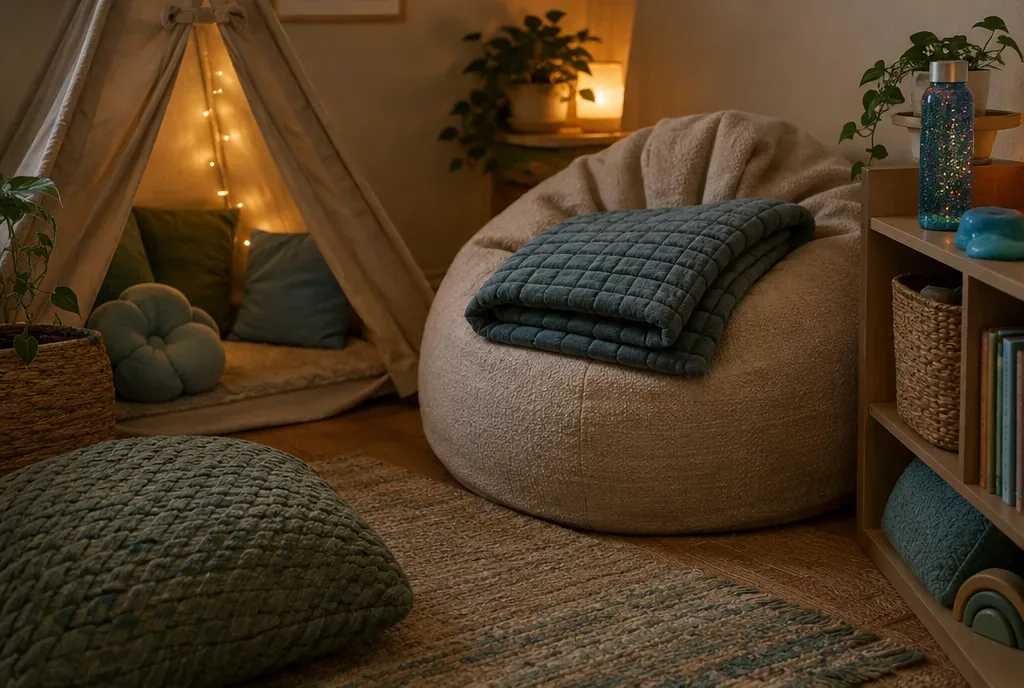
For a visual activity, make a glitter sensory bottle. Fill a clear bottle three-quarters full with warm water, add clear glue equal to 20–30% of the bottle’s volume, and add glitter. Superglue the lid shut. A glue-heavier mixture keeps the glitter suspended longer, so children can watch it settle slowly. For taste activities, use food choices appropriate for the child and supervise closely.
Easy Homemade Sensory Toys Use Familiar Materials
- DIY rainstick: Put a spiral of aluminum foil inside a cardboard tube, add 1/4 cup dried rice, seal both ends with paper circles and tape, then decorate the outside. Tilt it to hear a rain-like sound.
- Contact paper art: Tape contact paper sticky-side-out to a window or high-chair tray. Toddlers can press on tissue paper pieces, pom-poms, and feathers without using glue.
- Ice painting: Freeze colored water in ice-cube trays with popsicle sticks as handles. As the ice moves across paper, children see color release and feel the temperature change.
- No-mess paint bag: Squirt different washable paint colors into a heavy-duty freezer bag, seal it with tape, and let children squish the colors together.
For sensory activities for 1 year olds and young toddlers who mouth materials, choose taste-safe options such as plain yogurt mixed with food coloring. Keep the setup small, stay close, and remove anything that could be a choking hazard.
Adapt Sensory Crafts for Autism and Special Needs Students
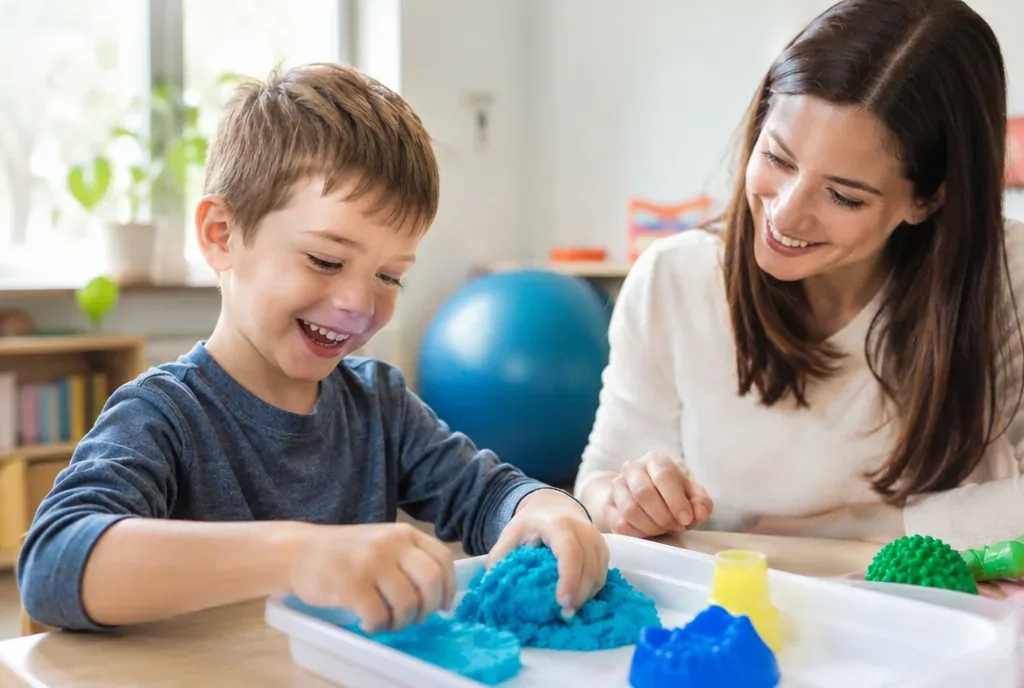
For autism and special needs students, sensory crafts work best when the child has meaningful control. Set out a small number of materials, provide clear visual steps for multi-step projects, and allow extra time. For a child who dislikes wet paint, sealed bag painting taped to a tabletop or sunny window makes color mixing visible without direct tactile contact.
For a child who seeks resistance, high-resistance modeling clay or therapy putty can be pounded, pulled, twisted, and flattened before or alongside an art activity. Painting tools can also change the experience: try silicone brushes, scrubbers, sponges, feather dusters, or a bubble-wrap rolling pin. Keep art a no-correction zone. A green sky, repeated dots, or a long focus on one texture are valid choices.
Sensory needs vary widely, and crafts do not diagnose or treat a condition. When sensory reactions interfere with everyday activities or you are concerned about a child’s development, talk with a doctor or a qualified occupational therapy professional.
Skip These Common Sensory-Craft Misunderstandings
- More mess means more sensory value. Not necessarily. A sealed paint bag still offers color mixing and pressure without direct contact.
- Every child should touch every material. Gradual exposure is more respectful. Start with a comfortable texture and offer a next step rather than a demand.
- The craft needs to look finished. Sensory art is about process. A page of pressed cotton balls can be the whole project.
- Homemade means unsupervised. Glue, paint, small objects, and sensory-bin fillers need adult supervision. Choose materials marked “Approved Product” instead of ones with hazard warnings.
Frequently Asked Questions
What are some ideas for sensory activities?
Try a texture collage, a sensory bin with soft and smooth objects plus scoops, a sealed shaving-foam bag with color, masking-tape trails to walk or roll a ball along, or scent jars with cotton balls scented with vanilla, lemon, cinnamon, coffee grounds, or mint.
What are some fun 5 senses activities?
Grainy finger paint, balloon touch guessing, peppermint playdough, a glitter sensory bottle, and a supervised taste test with sweet, savory, sour, and salty foods each spotlight a different sense.
What are examples of sensory art activities?
Examples include shaving-cream marbling, raised salt painting on wet watercolor, bubble-wrap painting, spice painting, feather painting, and texture collages.
What are easy homemade sensory toys I can make?
A cardboard-tube rainstick, a taped paint bag, contact-paper art, ice-painting sticks, and a glitter bottle use simple materials while offering sound, color, texture, or movement to explore.
Which sensory crafts are good for toddlers?
Contact-paper art, ice painting, yogurt paint, and sealed paint bags keep the setup straightforward. For toddlers, use age-appropriate materials, supervise closely, and start with textures they can comfortably explore.