The Zones of Regulation gives children, parents, and teachers a shared way to talk about feelings, alertness, and energy. Instead of asking a child simply to “calm down,” you can help them name their current zone, notice what may have shifted it, and choose a tool for the next moment. The goal is not to keep every child in one color. It is to build awareness, self-regulation, and support when it is needed.
What the Four Zones of Regulation Actually Describe
Occupational therapist Leah Kuypers began developing the framework in 2008. It organizes internal states into four colors and sorts emotions by energy and alertness instead of ranking them as “good” or “bad.” That distinction matters: sadness has a place, and so does excitement. With color-coded language, complex emotions become easier for kids to discuss without turning the conversation into a judgment.
A zones of regulation chart is a conversation starter, not a scorecard. A child can move from one zone to another during a single morning. A useful question is, “What zone are you in, and what would help right now?”
| Zone | Common feelings or states | What to do |
|---|---|---|
| Blue | Sad, bored, tired, sick, lonely | Rest and recharge. |
| Green | Happy, focused, calm, proud, peaceful | Keep using what supports this state. |
| Yellow | Worried, frustrated, nervous, excited, silly | Use a regulation tool before feelings escalate: breathe, pause, or take a break. |
| Red | Angry, panicked, terrified, elated; fight-or-flight energy | Pause before responding; count to 10 and bring in calm adult support. |
All four zones are okay. Yellow is a caution zone, not a bad zone: it signals that regulation steps may be useful. Red can involve a loss of control and intense fight-or-flight energy, so safety and a pause come first. For example, a child who is giddy and unable to settle after recess may be Yellow, while a child who is yelling in panic may be Red. The colors describe a state; they do not label the child.
Teach the Zones Without Making Green the “Good” Color
A common mistake is using the zones like a behavior traffic light. Instead of praising children for being in Green or making them feel they failed in Blue, Yellow, or Red, praise accurate recognition: “You noticed your hands were sweaty and you felt worried. That is useful information.”
Begin with feelings words. Beyond happy, sad, and angry, children can learn words such as disappointed, lonely, frustrated, and overwhelmed. Next, connect emotions to body signals. A racing heart can mean fear or excitement; a rumbling stomach can mean hunger or nervousness. The goal is to help a child put cues, context, and feelings together, not to give each body cue one fixed meaning.
A simple sequence for parents and teachers
- Introduce the four colors and emphasize that every zone is okay.
- Practice naming emotions and matching them to a zone.
- Ask what the child notices in their body.
- Talk through sparks and triggers that can change a zone.
- Teach a small set of calming, thinking, and sensory tools.
- Practice those tools during calm moments, then use them in a daily check-in.
Co-regulation with trusted adults is central to this process. In practice, you can model a slower voice, name what you observe, offer one choice, and stay present while a child uses a tool. The digital curriculum released in 2024 covers concepts such as the zones, check-ins, triggers, tools, building a toolbox, decisions about regulation, and a zones pathway. It is designed for K–12 and can also be adapted for preschoolers.
Use Daily Check-Ins to Build Emotional Regulation for Kids
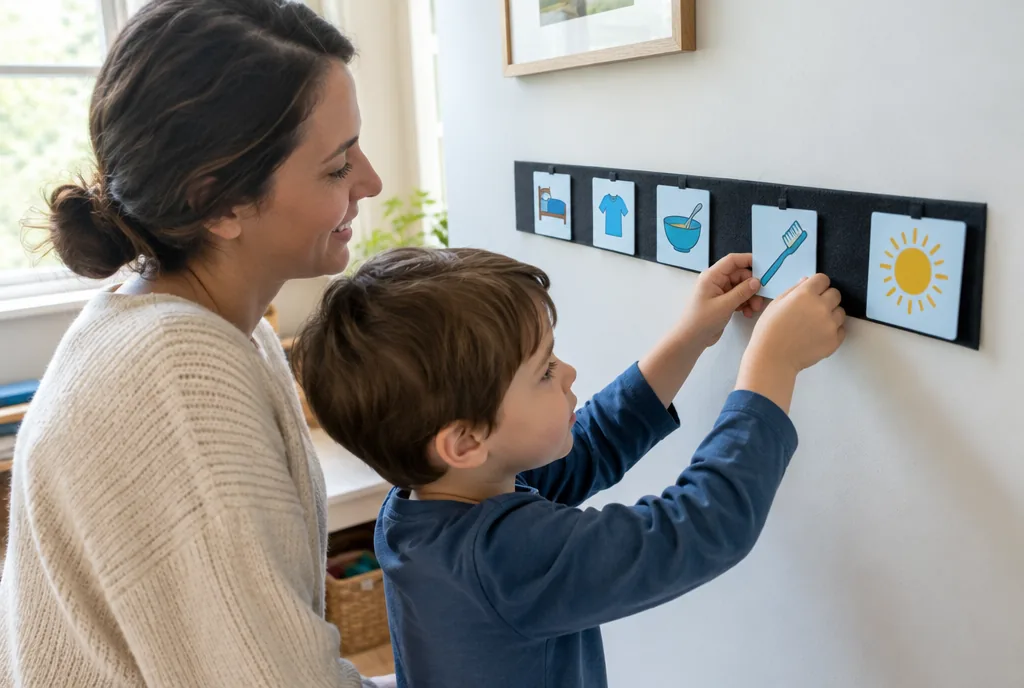
A daily check-in gives children repeated practice noticing their internal state before a feeling becomes urgent. Keep it brief and predictable: at the start of class, before a transition, or after recess. Although a chart can help, the conversation is the important part.
Try this three-question check-in
- “What zone are you in right now?”
- “What is your body telling you?”
- “What is one tool that could help?”
Imagine a child says, “Yellow. My heart is fast and my stomach feels tight.” Instead of arguing with the answer, you might say, “That can happen when people feel nervous or excited. What do you think sparked it?” If the reading group is the worry, take three slow breaths together or choose a short pause, then check in again. The adult does not need to solve the entire day; the immediate task is to help the child recognize a state and try one next step.
Consistency matters more than elaborate language. A check-in that is part of the routine also normalizes moving between zones. Kids learn that a shift is information, not a reason for shame.
Make Zones of Regulation Activities Personal
Activities work best when they lead back to the child’s own patterns and choices. A lesson can introduce the vocabulary, but a personalized toolbox is what makes the framework usable in a difficult moment. The tools fall into three broad categories: calming, thinking, and sensory.
Four activities to practice the language
- Zones Bingo: Use feelings and tools on the board, then discuss why a situation might fit a particular zone.
- Movie-clip detective: Pause a short clip and ask which zone a character may be in, what body clues show it, and what tool might help.
- Me in My Zones: Have the child draw or write examples of their own Blue, Green, Yellow, and Red moments.
- Zone-change journal: Note a situation, a zone shift, a tool tried, and what happened next.
Build a toolbox alongside these activities. A child can choose three or four strategies in each category and practice them in advance. Calming options can include breathing, drawing, music, or a quiet place. Thinking tools can include naming the zone and choosing a next step. Sensory tools can include movement breaks, chew items, or weighted blankets. The best tool is one the child can recognize, reach, and actually use.
Notice When Sensory Input Changes the Zone
The framework grew out of clinical work with sensory and emotional challenges, and sensory tools are one of its three categories. For some children, a loud noise or bright light can be a spark that changes their zone. A seating choice, a change in temperature, a quieter space, drawing, music, or breathing may all have a place in a regulation plan.
There is no universal sensory solution. After a noisy transition, one child may choose a movement break; another may need a quieter spot and a weighted lap item. Instead of assuming the same input works for everyone, help children observe what they notice. A zone-change journal can reveal useful patterns: the situation, the sensory cue, the strategy tried, and whether it helped.
This is also why the toolbox should be practiced outside of a crisis. A child in an intense Red state may need an adult to take the lead with safety, a pause, and simple support. Tools are easier to use when their steps are already familiar.
Skip These Misunderstandings and Keep the Focus on Skills
- Myth: Green is the only acceptable zone. Every zone is okay. The work is recognizing the state and deciding what support fits the situation.
- Myth: A color explains everything. A zone describes an emotional, energy, and alertness state. It is not a diagnosis and does not explain why a child feels that way.
- Myth: One tool should work for every child. Toolboxes are personal. Sensory, calming, and thinking strategies should be selected and practiced with the child.
- Myth: The colors are a consequence system. They are language for regulation, not a reason to remove privileges or sort children into good and bad behavior.
Alongside zones of regulation for kids, you may also see “How Big Is My Problem?” This thinking tool uses a 1-to-5 scale, from tiny to huge, to help a child consider whether their reaction matches the size of the problem. It was adapted from earlier work by Michelle Garcia Winner and by Kari Dunn Buron and Mitzi Curtis. Because it had been licensed from Social Thinking, the 2024 digital curriculum does not include it; families and schools may still encounter the concept in older materials.
Frequently Asked Questions
What zone of regulation is uncomfortable?
Yellow is often the zone that feels uncomfortable because it can include stress, frustration, anxiety, nervousness, or high excitement. It is not a bad zone. It is a signal to use a tool before feelings intensify. Red can be extremely uncomfortable because it can involve panic, anger, terror, or a fight-or-flight response.
Is it normal for a 10-year-old to have big emotions?
Zones of Regulation is designed for K–12 students, and its language can help older children name big emotions as well as younger children. This guide cannot determine what is typical for an individual child. If you are concerned about a child’s health or wellbeing, talk with a doctor or another qualified health professional.
How big is my problem in Zones of Regulation?
The 1-to-5 problem-size tool asks a child to consider whether a problem is tiny or huge and to match the reaction to its size. It is a thinking tool used alongside regulation language, not one of the concepts in the 2024 digital curriculum.
What should you do in each zone?
In Blue, rest and recharge. In Green, maintain what is helping. In Yellow, use a tool such as breathing, mindfulness, or a break. In Red, pause before reacting, count to 10, and use calm adult support when needed.
Where can I find a Zones of Regulation chart or printables?
The official website offers free posters and a language guide. Its zones chart is available in English, French, and Spanish. A printable can support a check-in, but it works best when children also practice the words, body cues, and tools behind the colors.